
Heating System Repair in Weston-super-Mare
Heating system repair from Nick Rew, a Gas Safe registered gas engineer. Nick finds out why radiators stay cold, pipes leak or the system struggles, then tells you what needs fixing.
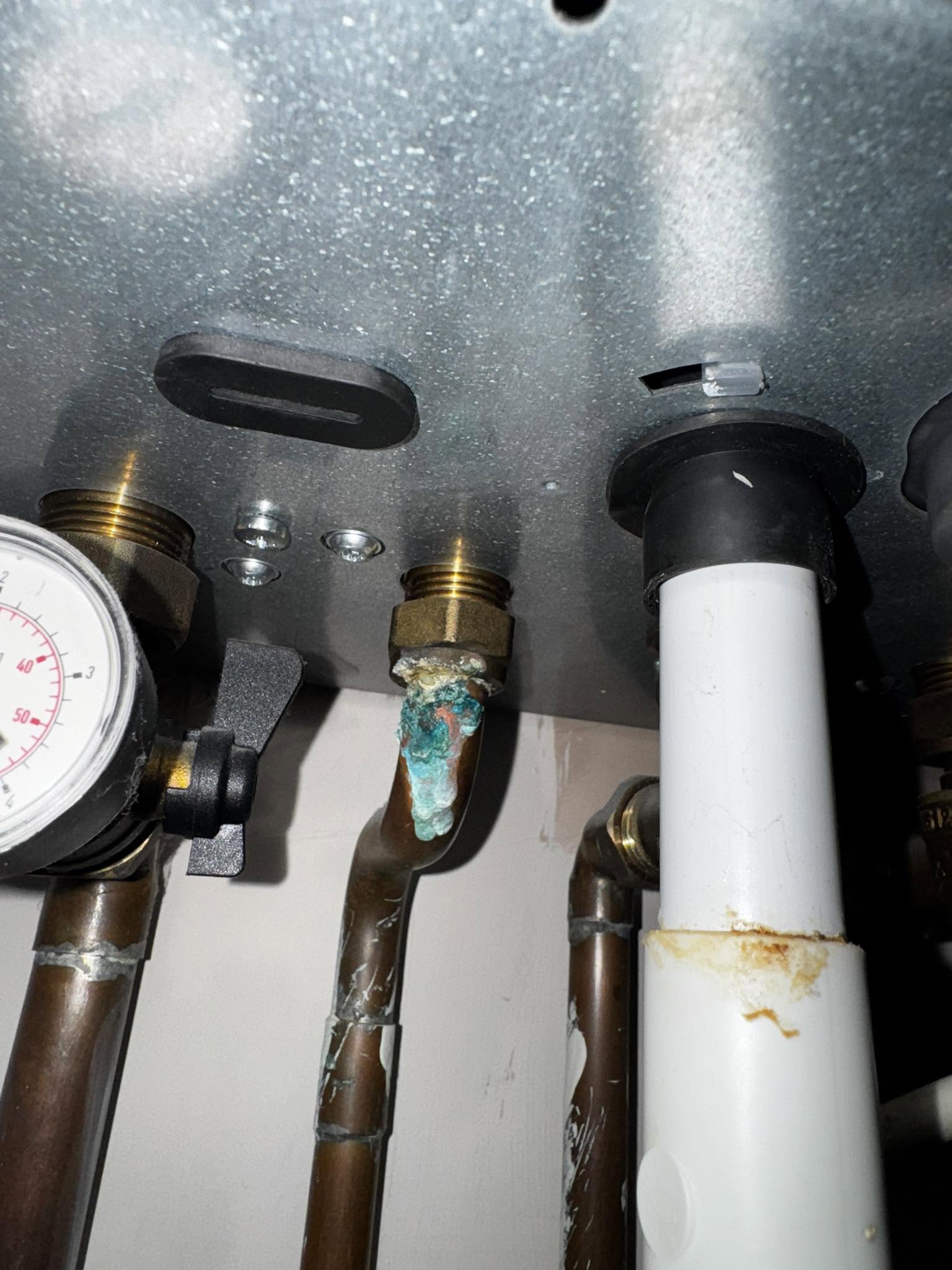
What heating system repair covers
Heating system repair means fixing the parts of your heating that sit around the boiler. That includes radiators, radiator valves, the pump, pipework, the thermostat, the timer and the controls that tell the boiler when to fire. When one of these parts fails, the boiler can be perfectly healthy and the house still stays cold. Good heating system repair starts with finding which part is the problem, not guessing.
Nick runs Nick James Home Heating from Milton, Weston-super-Mare. He is Gas Safe registered, number 976877, and the business carries public liability insurance. He installs Worcester Bosch, Vaillant and Baxi boilers, so he knows how the boiler and the rest of the system should work together. If your boiler is the thing that has failed, see boiler repair instead. This page is about the heating system around it.
What Nick does, step by step
- Listening first. He asks which rooms are cold, when it started and whether the boiler itself seems to be working.
- Checking the boiler is firing. If the boiler is not the problem, he moves on to the system.
- Feeling the radiators. Cold at the bottom, cold at the top or cold in the middle each point to a different cause.
- Checking the valves. Radiator valves can stick shut, and thermostatic heads can stop opening.
- Checking the pump. The pump pushes hot water round the house. If it is slow or silent, the radiators will not warm up.
- Looking for leaks. Joints, valves, pipework and the floor under each radiator are checked for drips and damp.
- Checking the controls. The room thermostat, timer and any smart controls are tested to see that they call for heat.
- Explaining the fix. You get a plain account of the fault and what it needs. Nothing is done until you agree.
Radiators that will not heat up
A radiator that stays cold is the most common reason people look for heating system repair. There are a few usual causes. Air can get trapped at the top, which leaves the upper part cold while the bottom is hot. A stuck valve can stop hot water entering at all. Sludge, which is a mix of rust and dirt that builds up in the water, can settle at the bottom of a radiator and leave cold patches along it.
You can bleed a radiator yourself with a radiator key if you are comfortable doing it. Turn the heating off first, open the bleed screw slowly and close it as soon as water appears. Check the boiler pressure afterwards, because bleeding lets pressure drop. If the radiator is still cold after bleeding, the cause is something else and it is time to ring Nick.
Valves, pumps and leaks
Radiator valves live a hard life. They are turned on and off for years, and the seals inside wear out. A valve that drips needs attention before it damages the floor. A valve that will not turn or will not open may need replacing. Nick can usually tell by looking and feeling which one you have.
The pump is a small part that does a big job. When it begins to fail you may hear a hum or a grinding noise, or the radiators may take much longer to warm. A seized pump gives you a boiler that fires and a house that stays cold. Leaks on pipework or at joints are also part of heating system repair. Small leaks often show first as a damp patch, a stain on a ceiling or a boiler pressure that keeps falling.
If the leak is large or water is coming out fast, turn off the water at the stopcock and see emergency water leak repair. For the wider picture of how Nick works on heating, see the gas engineer page. If the whole system has stopped, no heating repair may fit better.
How to choose and when to book heating system repair
Book heating system repair when part of the heating is not doing its job, not just when everything has stopped. Four questions help you decide.
- Is only one room cold? That usually points to a radiator, a valve or a balancing problem, not the boiler.
- Are all the radiators slow? The pump, sludge or low pressure may be behind it.
- Is the boiler pressure dropping? There may be a leak somewhere in the pipework or at a valve.
- Does the house ignore the thermostat? The controls or a motorised valve may have failed.
If you can answer these before you ring, Nick can often tell you on the phone what the likely cause is and what he will bring.
Boiler makes and the rest of the system
Nick installs Worcester Bosch, Vaillant and Baxi boilers. Tell him the make of your boiler when you ring, and say if the system has a hot water cylinder. Some systems have a separate pump, motorised valves and a cylinder thermostat, and each of those can be the part that has failed.
What to expect on the day
Ring or message Nick to agree a day for heating system repair. Keep the radiators and valves clear so he can reach them. Move furniture away from walls where pipes run if you can. Nick checks the system, finds the fault and explains it. If he can fix it on the visit, he says so. If a part must be ordered, he tells you before he leaves. He does not do work you have not agreed to.
Sludge, balancing and thermostats
Sludge is one of the quieter reasons people need heating system repair. Over time, rust and dirt build up in the water. The boiler works harder, the radiators heat unevenly and the pump wears faster. Cleaning the system by flushing it is a common step, and it helps to do it when parts are being changed so the new parts are not clogged by old dirt.
Balancing is different. A balanced system sends the right share of hot water to each radiator. If the radiators nearest the boiler are hot and the ones at the far end stay lukewarm, the system may need balancing. This is done by adjusting the lockshield valves at the end of each radiator, a little at a time, and checking the result.
Thermostats and controls decide when the heating runs. A room thermostat that is reading wrongly can stop the house from ever getting warm, or keep the boiler running when you do not need it. A timer that has lost its settings after a power cut is another everyday cause. Nick checks these simple things as well as the parts you cannot see.
Heating system repair for older and newer homes
Older and newer homes both need heating system repair from time to time. A house in Worle, a flat near the seafront or a bungalow in Uphill may all have different pipe layouts, but the checks are the same. Nick looks at what is in front of him and explains it in plain words. He treats heating system repair as a job to explain, not to rush.
Mistakes to avoid with heating system repair
- Ignoring a small leak. A drip at a valve can rot a floor over a winter. Deal with it early.
- Bleeding radiators and forgetting the pressure. After bleeding, check the boiler gauge and top it up if the instructions for your boiler say so.
- Turning every radiator valve to maximum. This does not heat the house faster. It can upset the balance of the system.
- Blaming the boiler first. Many cold-house calls turn out to be a valve, a pump or a control. Check the simple things before you replace anything big.
- Using someone who is not Gas Safe registered. Heating work often touches the boiler. Check the Gas Safe Register. Nick’s number is 976877.
- Leaving sludge until the boiler struggles. Dirty water wears out pumps, valves and boilers. Ask about it when work is being done.
Signs you need heating system repair
Many heating faults give a warning. If you notice any of these, it is time to look into heating system repair.
- One or more radiators stay cold at the top, bottom or in the middle.
- A radiator valve drips, sticks or will not turn.
- You hear banging, humming or gurgling from the pipes.
- The boiler pressure keeps dropping and needs topping up.
- The house takes a long time to warm up even though the boiler runs.
- There are damp patches, stains or green marks near a pipe or valve.
If you smell gas, turn off the gas at the meter, open the windows, leave the house and call the National Gas Emergency Service on 0800 111 999. For anything else, ring Nick on 07534 887627 and describe what is happening. Call, text and WhatsApp all work.
Heating system repair across Weston-super-Mare and North Somerset
Nick carries out heating system repair Weston-super-Mare and the work around it in the towns and villages nearby, including Banwell, Bristol, Clevedon and Bridgwater. Banwell has its caves, Clevedon has its pier and Bridgwater is in Somerset. Bristol is within Nick’s usual drive. See all the areas we cover.
Related work
Heating system repair questions
What does heating system repair include?
Heating system repair covers radiators, radiator valves, pumps, pipework, leaks, sludge, balancing, thermostats and controls. If the fault is inside the boiler, Nick can look at that too.
Why is only one radiator cold?
One cold radiator is often trapped air, a stuck valve or sludge. Bleeding it can help with air. If it stays cold, ring Nick on 07534 887627 and describe which part is cold.
How much does heating system repair cost?
The price depends on which part has failed and how long the job takes. Ring Nick on 07534 887627 and describe the job.
Can you fix a leaking radiator valve?
Yes. Nick can look at a leaking valve, tell you whether it needs new seals or a new valve and explain what it needs before he starts.
Do you do heating system repair if my boiler is fine?
Yes. A working boiler does not mean a working system. Nick checks the pump, valves, radiators and controls as well as the boiler.
Will you tell me before you do any work?
Yes. Nick explains the fault and what it needs, and he does no work until you agree.
Need a heating system repair in Weston-super-Mare?
Ring Nick on 07534 887627. Call, text and WhatsApp all work. Hours are Monday to Saturday 7am to 9pm, and Sunday 9am to 5pm.